Posted in: , , ,

Ideas on what to do when it rains in Versilia

Publication Date  Thursday, August 31, 2023
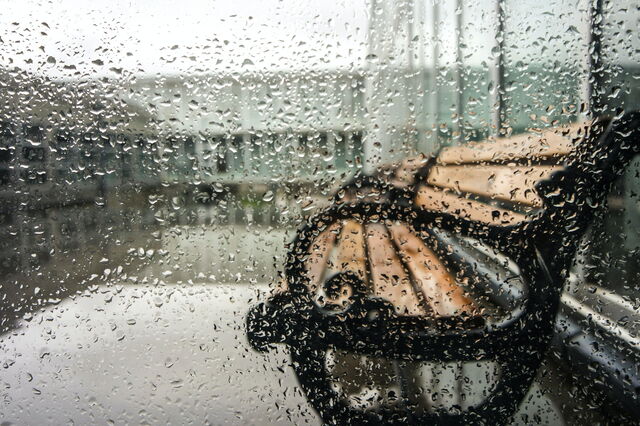
BENCH IN THE RAIN

Is it raining? Don't worry, there are plenty of things to see and do on rainy days in Versilia too!

If you want to immerse yourself in the Italian tradition and have a decidedly rustic experience, you can go and play at the Bridge and Burraco Club in Forte dei Marmi at Via Provinciale 50, obviously a minimum of experience is required.

You can take part in their competitions (four weekly bridge tournaments and six burraco tournaments) while the afternoon outside goes by. Another decidedly local experience is to go to see a Forte dei Marmi Hockey Club match.

For reading enthusiasts, spending the afternoon in a cosy bookshop with a warm atmosphere with walls invaded by stories and soft lighting will be no problem at all.

You can then repair to the Palazzo Mediceo in Seravezza, recognised by Unesco as a world heritage site and renowned in the area for its frequent art exhibitions, especially of photography. Embraced by marble quarries, the palace is characterised by elegance and simplicity; inside, it houses the Municipal Library, the Museum of Work and Popular Traditions of Historical Versilia, as well as the Cinema Scuderie Gran Ducali. Finally, the place where when it rains outside it can be warm, it can take us to the moon or to any other faraway place: the cinema.

Rain brings relaxation, and if we have to get wet, why not do it properly?

Have you come to Versilia with the idea of a swim in the sea, but it's raining? Make use of that swimming costume you packed in your suitcase to go to the pool or spa! There are several wellness centres in Versilia - maybe it's time for that relaxing massage you've been putting off.

Leaving Versilia, without travelling too many kilometres, you will find the Bagni di Pisa, the Terme di Bagni di Lucca and the Terme di Montecatini.

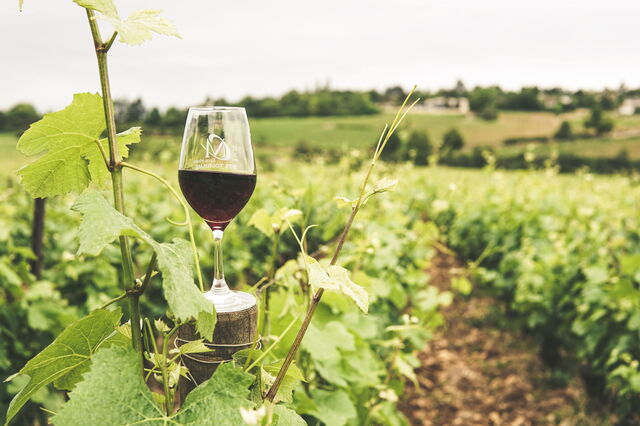
Glass of wine in a vineyards

Tastings

The rain won't make your hunger or desire to relax go away, but a tasty wine and food tasting will! What could be better than tasting good local wine directly at the place where it is produced? If you inform yourself in advance, you can also book cooking classes with local chefs. Here is a list of local wine cellars in Versilia:

  • Cantine Basile in Pietrasanta
  • Tenuta Mariani in Massaciuccoli
  • Cantine Angeli in Camaiore

Shopping

Rain might put you off, but remember that when it rains there is less crowding and the dressing rooms are warm and dry places! In Forte dei Marmi and along the Viareggio Promenade you will find many shops of the biggest glamour brands. If you are in Viareggio, end your glamour break at the Gran Caffè Margherita.

marble quarries

Excursions

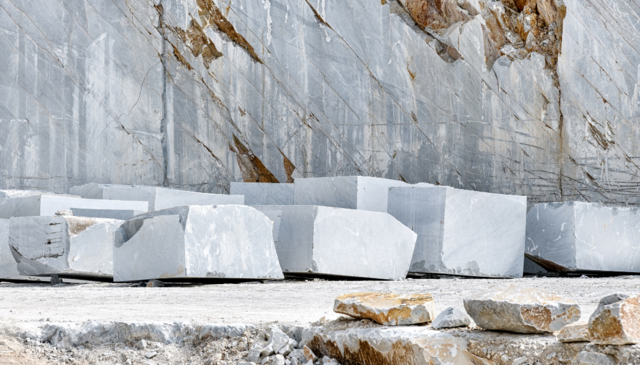
If you are overheated, I recommend going to Corchia Park, where you can hike inside the caves, enjoy tastings with a view, and visit the marble quarries.

guys playing in the escape room

Entertainment

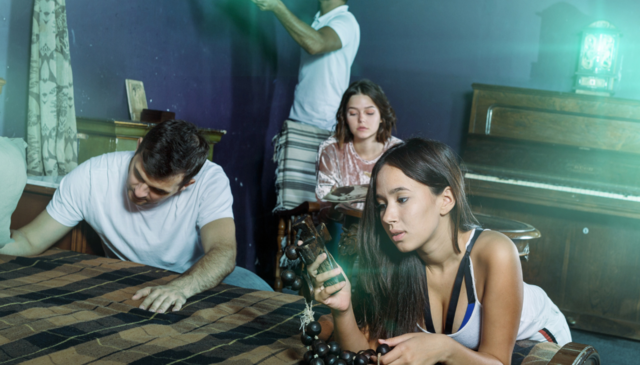
If you feel like having fun, I suggest you challenge your friends to a bowling match or experience an escape room. In Viareggio you can find the Addams Wednesday-themed escape room in Viale dei Tigli; solve the puzzles together with your friends and you will get out! 

Museums and Exhibitions in Versilia

  • Villa Paolina Museums in Viareggio: commissioned by Napoleon's sister, it is now the seat of the Civic Museums that include the Monumental Rooms of Villa Paolina, the 'Alberto Carlo Blanc' Archaeological and Human Museum and also the Alfredo Catersini Atelier and the Giovanni Ciuffreda Museum of Musical Instruments.
  • Galleria Comunale di Arte Moderna e Contemporanea (GAMC) Lorenzo Viani in Viareggio: houses a collection of more than 3,000 works by some 750 leading artists of 20th-century art, including a significant presence of local authors or those linked to this land. It also houses the most important public collection of works by Lorenzo Viani, an exponent of European Expressionism from Viareggio. It is located above the Viareggio library, in Piazza Mazzini in the historic Palazzo delle Muse. At certain times it also hosts temporary exhibitions, in any case it is well worth a visit.
  • Museo della Marineria (Maritime Museum) in Viareggio: exhibits and exhibits related to the history of Viareggio's seafaring industry and is divided into several thematic sections, with on-board equipment, models, nautical instruments and much more on seafarers, shipwrights and caulkers.

INFO There is also a single ticket for the Viareggio Town Museums that includes:

  • Lorenzo Viani Gallery of Modern and Contemporary Art
  • Villa Paolina Archaeological and Tree Man Museum Carlo Blanc
  • Alberto Gianni Maritime Museum
  • Full price € 10,00
  • Reduced price € 5,00

The single ticket has no time limit, the visit

carnival mask
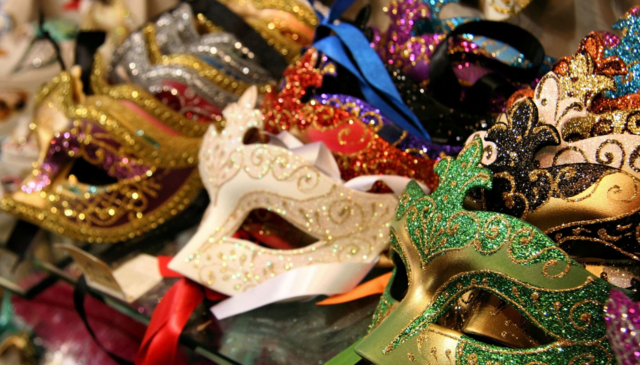
  • The Carnival Museum at the Cittadella di Viareggio: Italy's largest themed centre dedicated to masks where there are workshops for the builders, hangars where the floats are constructed and stored, two museums and a historical documentary centre. The Museum is the ideal place to discover all the secrets of Carnival in an itinerary that winds its way through models, techniques used for papier-mâché creations, and a didactic stand illustrating the various phases in the construction of a float.
  • Villa Museo Puccini - Torre del Lago Puccini: Giacomo Puccini lived in Torre del Lago with his family from June 1891, while writing the opera Manon Lescaut. The house was turned into a museum in 1925 by his son Antonio and preserves the original appearance with the maestro's piano, his portraits from the various periods of his life and other precious and everyday objects, as well as honours and awards from all over the world. Giacomo Puccini's remains can be found in the chapel converted from a drawing room and decorated with allegories of music.
  • Villa Borbone: is a wonderful aristocratic residence located halfway between Viareggio and Torre del Lago, in the Pineta di ponente along the Viale dei Tigli. In addition to the central structure and the large park, there are rooms once used as stables and a chapel in which illustrious deceased persons were buried. Founded as a hunting lodge and transformed over time into a holiday residence, today it is a venue for cultural and artistic events. 

marble statue
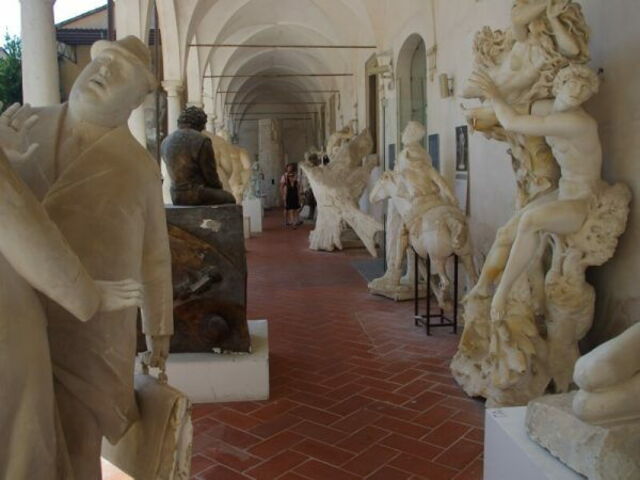
  • Museo dei Bozzetti "Pierluigi Gherardi":is housed in the 16th-century monumental complex of Sant'Agostino, where the Municipal Library and the "Luigi Russo" Cultural Centre are also located. The Museum's collection offers an overview of international sculpture from the 20th century to the contemporary period through its 700 sketches and models, mainly in plaster. There are works by sculptors such as Vangi, Botero, Mitoraj, Pomodoro, De Saint Phalle and many others.
  • Civico Museo Archeologico: aims to enhance the numerous archaeological and historical testimonies of this territory, which document a continuity of settlement from Prehistory to the Middle Ages up to the proto-industrial age.
  • MuSa: is a space dedicated to the promotion of the territory and its productive excellence. It represents the Apuo-versiliese stone sector in all its components and its absolute protagonists: entrepreneurs, craftsmen, sculptors, architects, painters, writers who, since Michelangelo's time, have visited, worked in and experienced the city of Pietrasanta as an ideal place for the creation of work.
  • Giosue Carducci's birthplace: Through a guided tour of portraits and memorabilia, visitors can discover more about this great poet.

  • Sant'Anna di Stazzema Historical Museum of the Resistance: also known as the Historical Museum of the Resistance in Tuscany, it is a space that offers visitors an essential but at the same time exhaustive and rigorous overview of the events that took place between 1943 and 1945 in Italy, with a particular focus on Tuscany and Versilia. Here you will find evidence of the Nazi occupation, the Resistance, the massacres and the massacre of Sant'Anna di Stazzema.